 Nagaraju Mynampaty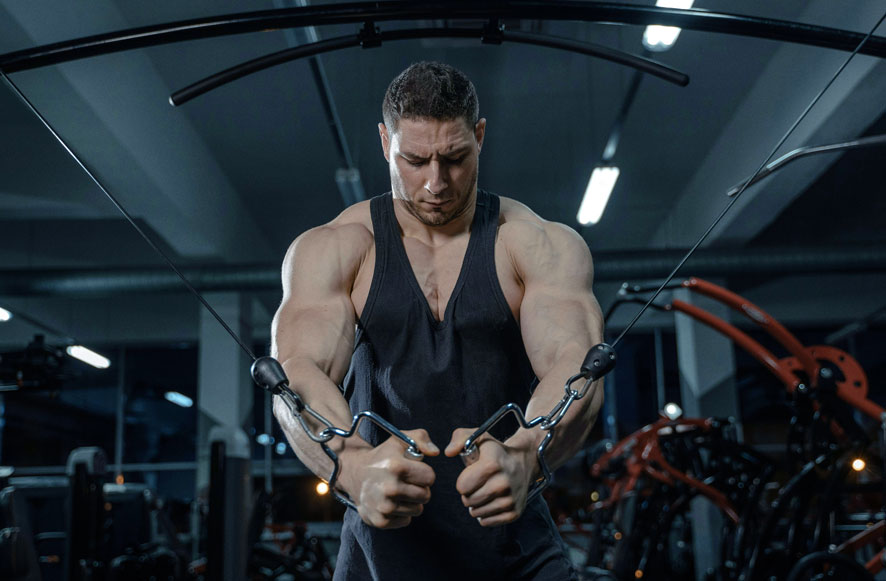
As a sports nutrition specialist, one thing I repeat to every client is this:
Muscle is built in the gym — but it grows in the kitchen.
The biggest mistake many vegetarian trainees make is focusing only on workouts and neglecting nutrition. Muscle growth requires adequate protein, balanced energy intake, and recovery-supporting nutrients, all of which can be achieved with a well-planned vegetarian diet.
Below is a muscle-focused guide written from a dietitian’s perspective based on everyday foods commonly available in the kitchen, supported by research and long-term clinical experience.
1. Dairy Proteins
If you consume dairy, it should be a staple in your muscle-building diet.
Why it matters professionally:
- Dairy provides complete proteins (Whey + Casein) — essential for post-workout recovery and overnight repair.
- Clinical reviews show that increasing daily protein intake through foods like dairy results in measurable gains in lean mass and strength when paired with resistance training.
Recommended intake:
Include dairy 1–2 times daily — Greek yoghurt post-workout, cottage cheese as a snack, and a glass of milk in the evening to support overnight protein synthesis.
2. Beans, Lentils & Legumes
If your goal is muscle hypertrophy, legumes are not optional — they’re essential.
Dietitian’s reasoning:
- Beans and lentils contain protein, complex carbs, and iron, supporting strength, stamina, and red blood cell function.
- They support muscle recovery and help vegetarians reach their daily protein targets without supplements.
How to apply in real life:
Add beans or lentils to lunch and dinner — chili, lentil soups, chickpea salad, burrito bowls.
Pro Tip: Combine beans + whole grains → improves amino acid completeness naturally.
3. Whole Grains
Muscle cannot be built on protein alone — training requires carbohydrates for energy.
Why gym dietitians push grains:
- Carbs reduce muscle fatigue, improve training volume, and help transport amino acids for muscle repair.
- Whole grains like oats, brown rice, and whole-wheat bread are nutrient-dense and supply slow-burning energy.
Ideal for pre-workout meals
→ Oats with milk + peanut butter
→ Brown rice + beans + vegetables
4. Nuts, Nut Butters & Seeds
Muscle building requires more calories than maintenance, especially for lean individuals.
Role for vegetarians:
- Nuts provide energy-dense healthy fats + moderate protein.
- They support hormonal function, including testosterone — a key muscle-growth hormone.
Daily gym-friendly portions:
- 10–15 almonds or walnuts
- 1–2 tbsp peanut butter or almond butter
- Chia/flax in oats or yogurt
5. Eggs
If your vegetarian plan includes eggs, you have an advantage.
Dietitian take:
- Whole eggs stimulate greater muscle synthesis post-training than egg whites due to additional nutrients like choline, B-vitamins and healthy fats.
- Just 2–3 eggs daily can make a visible difference in strength progression.
Perfect for breakfast or post-workout meals.
Dietitians’ Recommended Meal Plan
| Time | Meal (Balanced & Realistic) |
| Breakfast | Oatmeal + Milk + Nuts or Eggs + Whole-grain Toast |
| Mid-Morning Snack | Greek Yogurt / Cottage Cheese / Fruit + Nuts |
| Lunch | Brown Rice + Lentils/Beans + Vegetables |
| Pre-Workout | Banana + Peanut Butter |
| Post-Workout | Greek Yogurt or Milk (fast protein absorption) |
| Dinner | Beans/Legume Bowl + Whole Grain Wrap/Bread |
| Before Bed | Cottage Cheese or Milk (slow protein release) |
This plan supports muscle recovery, hypertrophy, and gym performance, without requiring shakes unless necessary.
Dietitian’s Advice
Building muscle on a vegetarian diet is not only possible, but it’s also efficient when nutrient timing and protein intake are right. You don’t need supplements or restrictive eating.
Just remember:
✔ Train with progressive overload
✔ Hit daily protein targets
✔ Eat consistently, not perfectly
✔ Rest like recovery is part of training
Your meal plan is your muscle blueprint. Build it with intention.
Your strength journey is already in motion. Every choice you make, every meal you upgrade, and every workout you complete brings you one step closer to the body you envision. Stay consistent, stay curious, and fuel your muscles with intention.
If this guide helped you, inspired you, or gave you a new perspective, I’d love to hear from you.
Share your thoughts, questions, or progress in the comments. Your voice brings this community to life.
Let’s grow stronger together.
If you’re also working toward fat loss along with muscle gain, you may find this guide helpful: How to Choose the Right Weight Loss Supplement – A Quick Guide